Now loading.
Please wait.

Menu

Madurai, Tamil Nadu

HomeAbout Us Field StationsMadurai, Tamil Nadu
single image

ICMR-NIVCR Field Station, Madurai, Tamil Nadu

Office In Charge: Dr. R. Paramasivan, Scientist G

  • The ICMR National Institute for Vector Control Research (ICMR-NIVCR) Field Station, Madurai, serves as a multidisciplinary research centre dedicated to advancing scientific knowledge and developing innovative solutions for the prevention and control of vector- borne and zoonotic diseases of public health importance. Strategically located in southern Tamil Nadu, the station undertakes integrated field- and laboratory-based research on disease vectors, pathogens, and their interactions with human and animal hosts.
  • The field station has established expertise in entomology, microbiology, virology, molecular biology, genomics, and bioinformatics, enabling comprehensive investigations on mosquitoes, ticks, mites, rodents, and the pathogens they transmit. Its research encompasses vector surveillance, vector ecology, pathogen detection and characterization, molecular epidemiology, genetic and genomic studies, and the development of innovative tools for vector surveillance and control. The station has also developed novel mosquito control technologies and maintains specialized facilities, including mosquito colonies and a reference mite museum that supports research, training, and taxonomic identification.
  • In addition to research, the Madurai Field Station actively contributes to outbreak investigations, public health surveillance, and capacity building through training programmes for researchers, students, and public health professionals. As a recognized research centre affiliated with Madurai Kamaraj University and Pondicherry University for doctoral research, the station also provides advanced research opportunities for Ph.D. scholars. Through its multidisciplinary expertise and strong collaborations, the station continues to support national vector control programmes and strengthen evidence-based public health interventions.


Staff List
Sr. No.Name of the staffDesignation
1Dr. R. ParamasivanOfficer in-Charge/Scientist G
2Dr. M. MuniyarajScientist E
3Dr. Bhavna GuptaScientist E
4Mr. N. KrishnamoorthyTO-C
5Mr. M. KalimuthuTO-C
6Mr. H. JayaprakashTO-B
7Dr. R. GovindarajanTO-B
8Shri. K. VenkatasubramaniTO-A
9Mrs. SumithaTechnical Assistant
10Dr. S. Victor Jjerald LeoTechnician II
11Mr MuthukumarTechnician I
12S. NandhakumarTechnician I
13Mr. S. SelvamMTS
14Mr. B. VigneshwaranNetwork Engineer
15Mr. NavaneethapandianPhD Scholar
16Mrs. Aarthi MPhD Scholar
17Dr. K .PradeeibaResearch Scientist
18Selvi. NandhiniProject Technician
19Mr. SelvinHousekeeping staff
20Mrs. MuthulakshmiHousekeeping staff
21Mrs. B. GeethaHousekeeping staff
22Mr. KaruppannanSecurity
23Mr. Bharathi RajaSecurity
24Mr. MuniyandiSecurity
25Mr. MoovendhanSecurity
26Shri. GopinathDriver
Research activities

Research activities

  • The ICMR-NIVCR Field Station, Madurai conducts multidisciplinary research on vector- borne and zoonotic diseases of public health importance, including scrub typhus, dengue, chikungunya, Zika, Japanese encephalitis, malaria, lymphatic filariasis, and other emerging infections. The research programme integrates field investigations with laboratory-based studies to better understand disease transmission, vector ecology, pathogen biology, and host–vector interactions.
  • The station undertakes entomological surveillance and ecological studies on mosquitoes, ticks, trombiculid mites, and other medically important vectors to investigate their distribution, seasonal dynamics, and role in disease transmission. Molecular and genomic approaches are employed for the detection, characterization, and evolutionary analysis of pathogens and vectors, supporting molecular epidemiology and disease surveillance. Research also focuses on vector genetics, comparative genomics, and vector–microbial interactions to understand mechanisms influencing pathogen transmission and vector competence.
  • In addition to fundamental research, the field station develops and evaluates innovative technologies for vector surveillance and control, including nanotechnology-based mosquito control methods, biosensor-based diagnostic platforms, attractant systems, and novel vector maintenance models under laboratory conditions. The station actively supports public health programmes through outbreak investigations, capacity building, and collaborative research, contributing scientific evidence for improved surveillance, diagnosis, and integrated vector management strategies.
On-going projects:

Projects: List of on-going projects

  • 1. Targeting developmental and insecticide resistance-associated proteins in Aedes aegypti for the discovery of novel mosquitocidal compounds (ICMR-funded)
  • 2. National Networking Project on Metabolomics (DBT-funded)
  • 3. Development and evaluation of simple surveillance tools for specific detection of ZIKA virus in field caught vector mosquitoes in India.
  • 4. Population genetics of Aedes ageypti (Part of International collaborative project “Mobile mosquitoes: understanding the entangled mobilities of Aedes mosquitoes and humans in India, Mexico, Tanzania and Germany)
  • 5. Molecular Screening and DNA Barcoding of Ticks in Southern Tamil Nadu
  • 6. Studies on Tick Infestation in Livestock from the Eastern Ghats, Tamil Nadu
  • 7. Electrochemical DNA Sensor for Early Detection of Human Scrub Typhus Infection
  • 8. Detection and Characterization of Zoonotic O. tsutsugamushi in Southern Tamil Nadu
  • 9. Genetic Characterization of O. tsutsugamushi in Febrile Patients in Southern Tamil Nadu
  • 10. Exploratory studies on comparative genomics of Wuchereia bancrofti and Orientia tsutsugamushi
  • 11. Genetic and genomic analysis of vector mosquito species (Anopheles stephesni, Aedes aegypti)
Infrastructure and Facilities:

Infrastructure and Facilities:

  • The ICMR-NIVCR Field Station, Madurai possesses well-established laboratory and field research infrastructure that supports multidisciplinary investigations on vector-borne and zoonotic diseases. The facilities enable integrated entomological, microbiological, molecular, and genomic research, while also supporting field surveillance, training, and public health activities.
The station is equipped with:
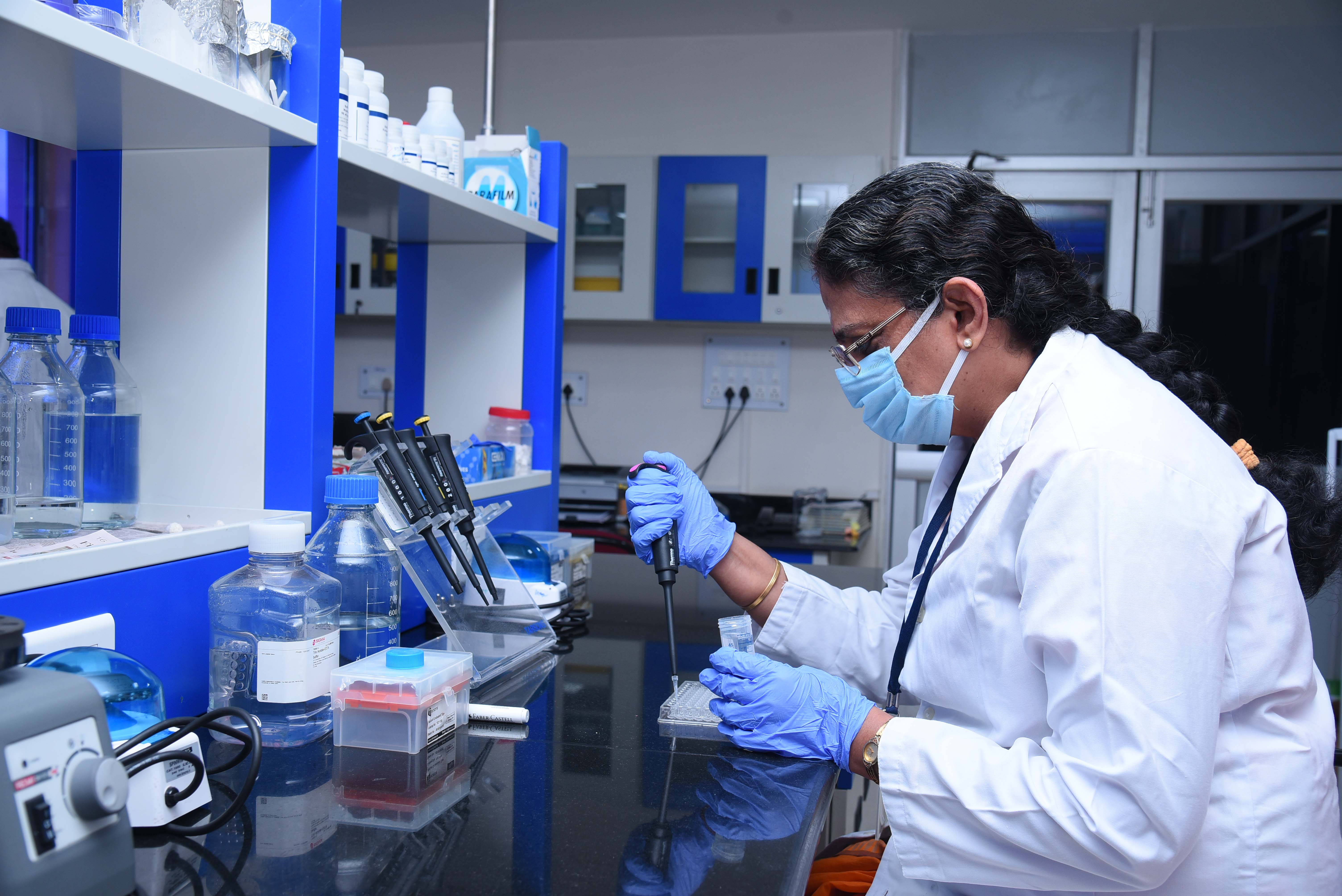
  • 1. Molecular Biology Laboratory for nucleic acid extraction, PCR-based diagnostics, molecular characterization, and genomic studies.
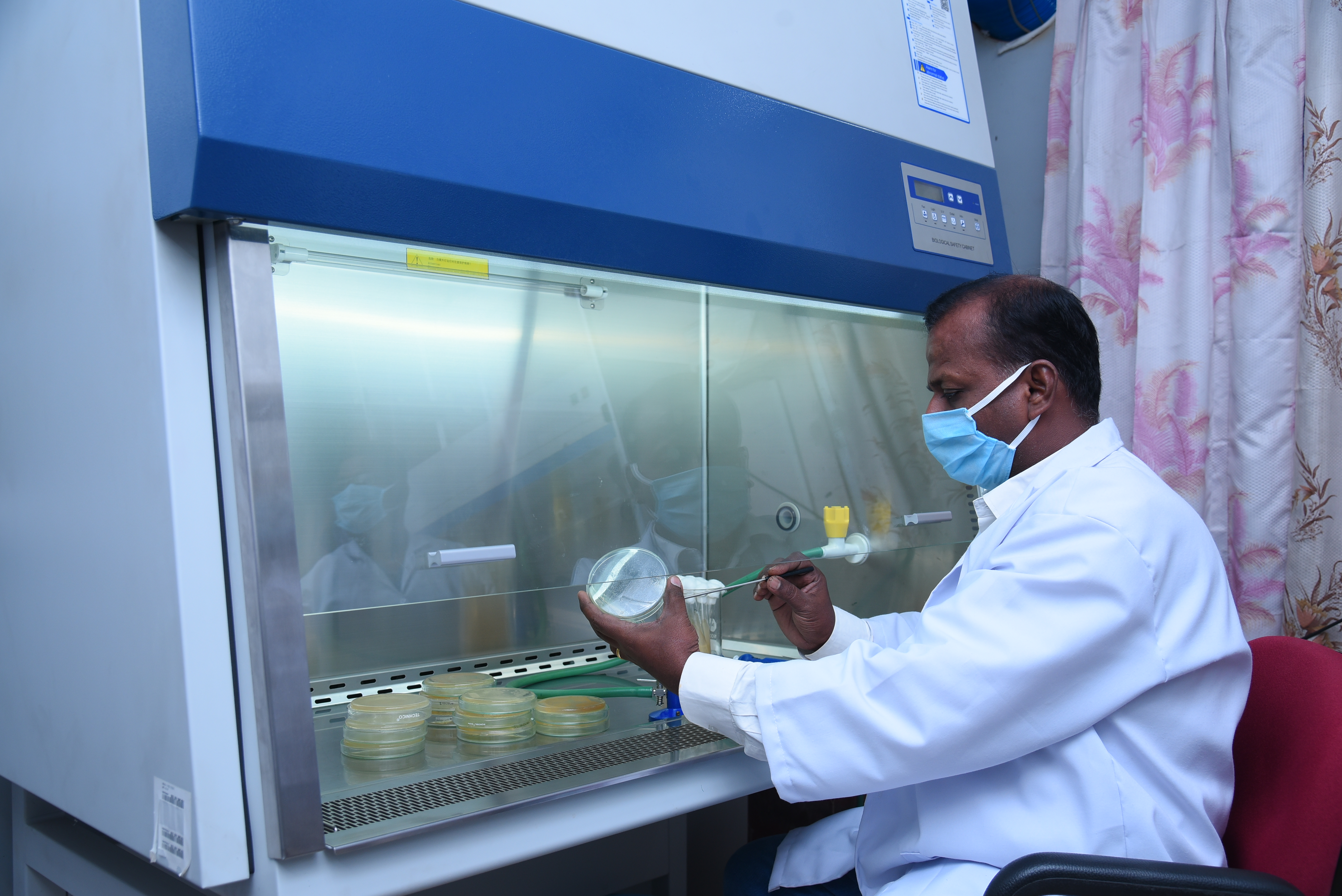
  • 2. Microbiology Laboratory supporting microbial investigations, pathogen isolation, and laboratory-based disease research.
  • 3.Biosafety Level-1 (BSL-1) Laboratory for safe processing and handling of biological specimens.
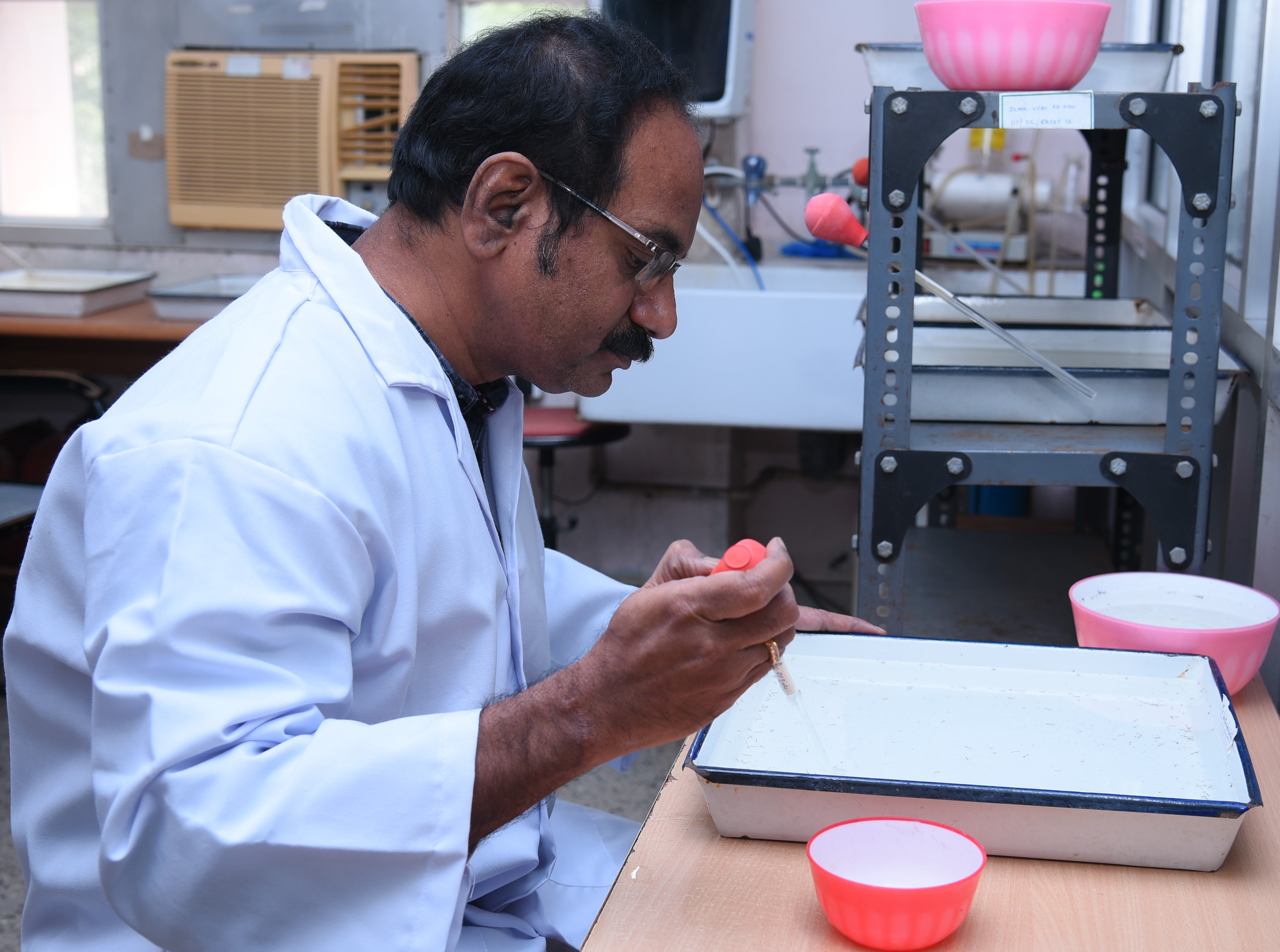
  • 4.Mosquito Insectary for maintenance and experimental studies of laboratory mosquito colonies.
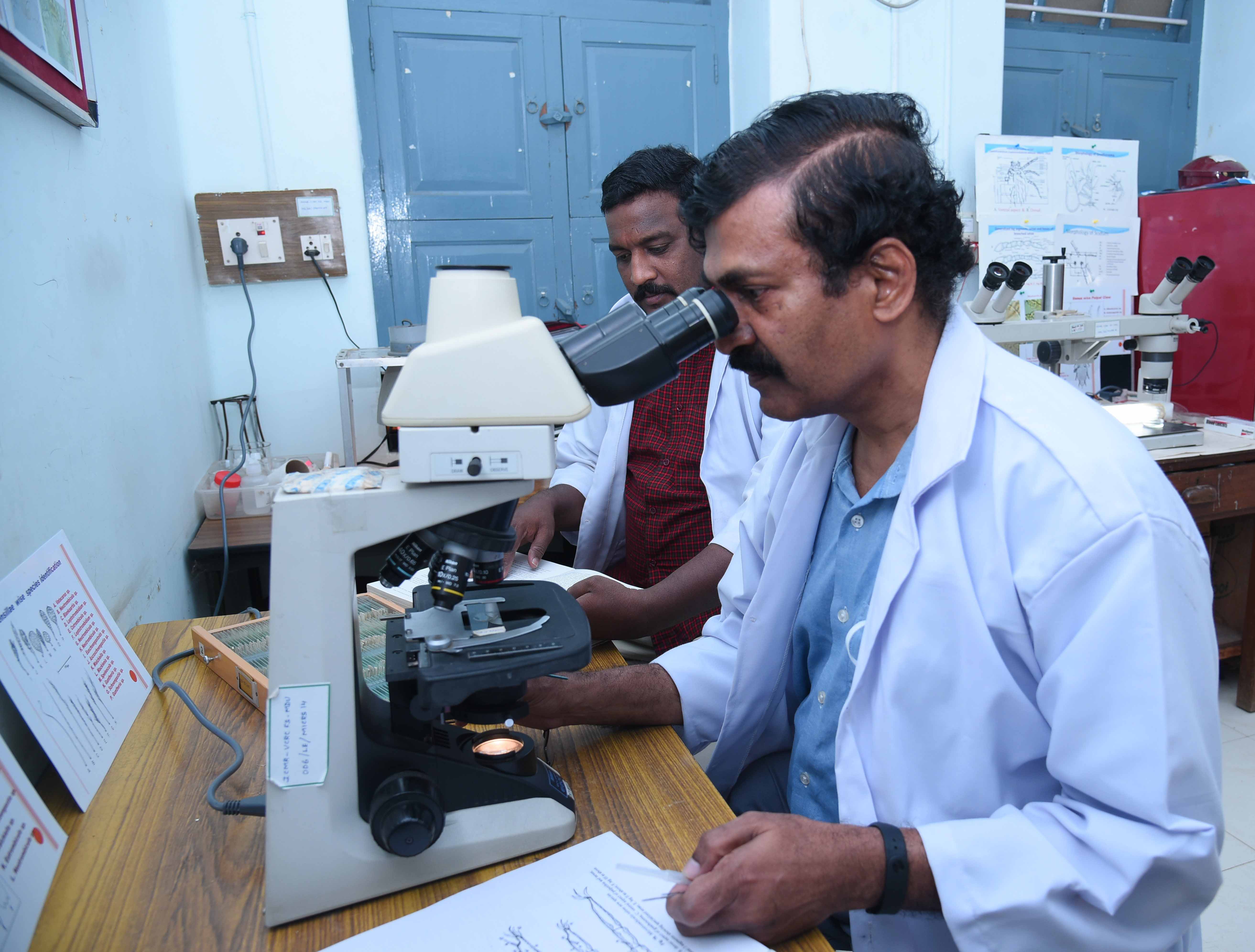
  • 5. Reference Mite Museum housing voucher specimens of medically important Leptotrombidium mites for taxonomy, research, and training.
  • 6. Specimen Repository and Sample Storage Facilities supporting long-term preservation of biological samples.
  • 7. Field Surveillance Equipment for vector collection, ecological investigations, and disease surveillance.
  • 8. Training Facilities for conducting workshops, practical demonstrations, and capacity- building programmes for students, researchers, and public health personnel.


Photo Gallery

Contact details

ICMR-National Institute for Vector Control Research,
Field Station, 4, Sarojini street,
Chinna Chokkikulam, Madurai-625 002.
Tamil Nadu. India
Nodal Officer: Dr. S. Poopathi, Scientist-G
Officer-in-Charge: Dr. R. Paramasivan, Scientist-F

All for Joomla All for Webmasters