Research activities
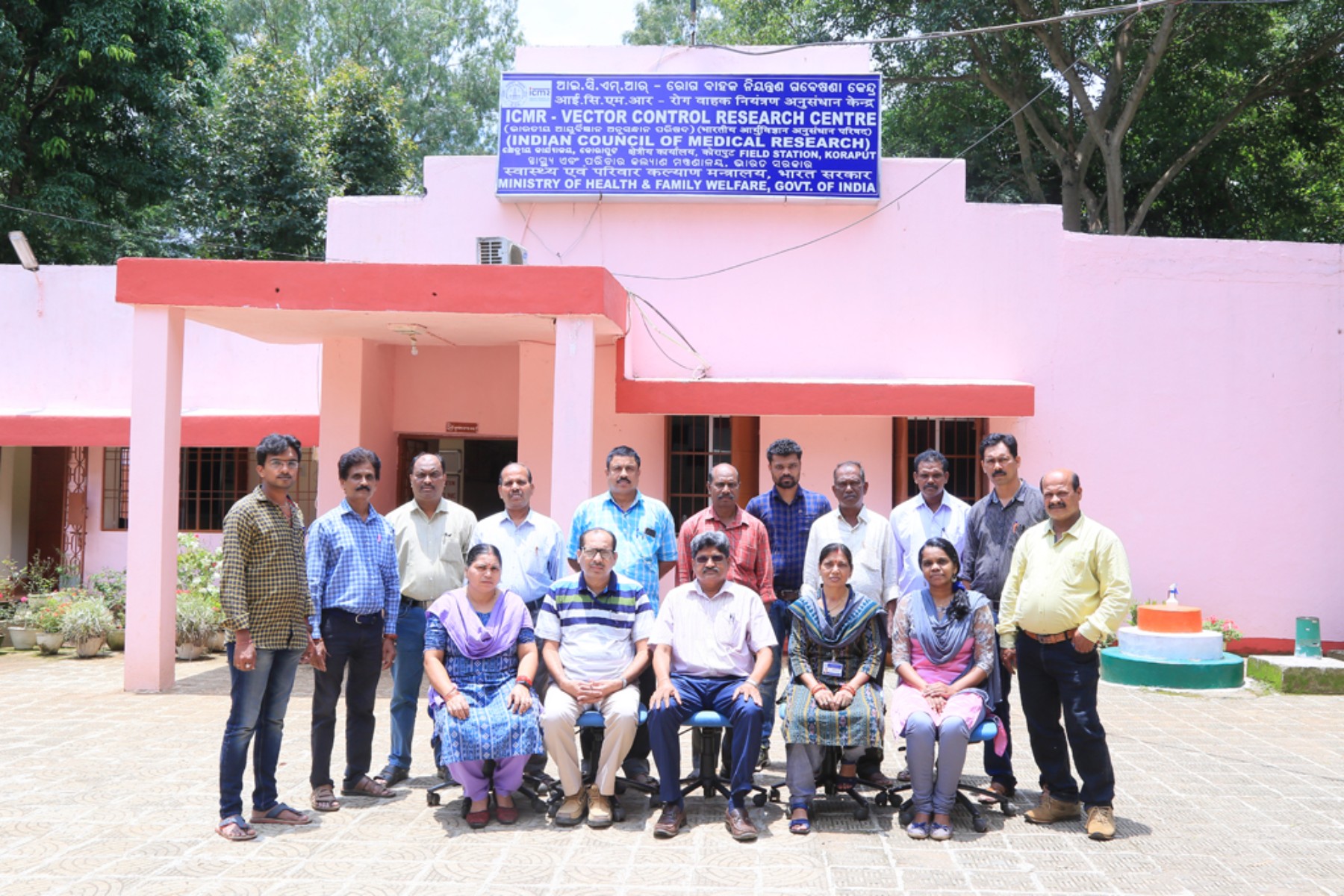
The ICMR-NIVCR Field Station, Koraput conducts multidisciplinary research on malaria,
dengue, chikungunya, Japanese encephalitis, lymphatic filariasis, and other vector-borne
diseases affecting the tribal and ecologically diverse regions of eastern and central India. The
research programme focuses on generating evidence-based solutions to strengthen vector
surveillance, disease prevention, and control strategies in endemic areas.
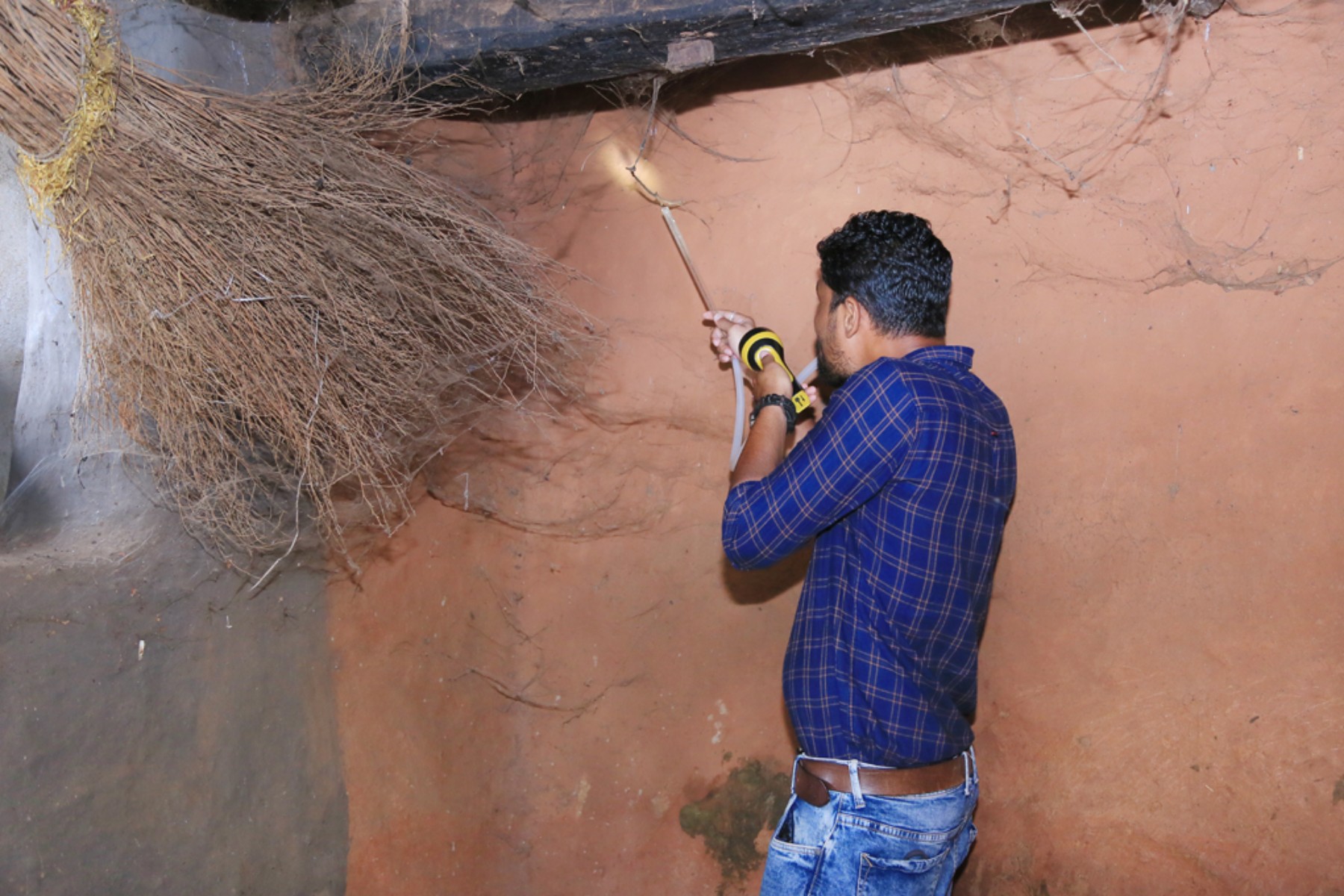
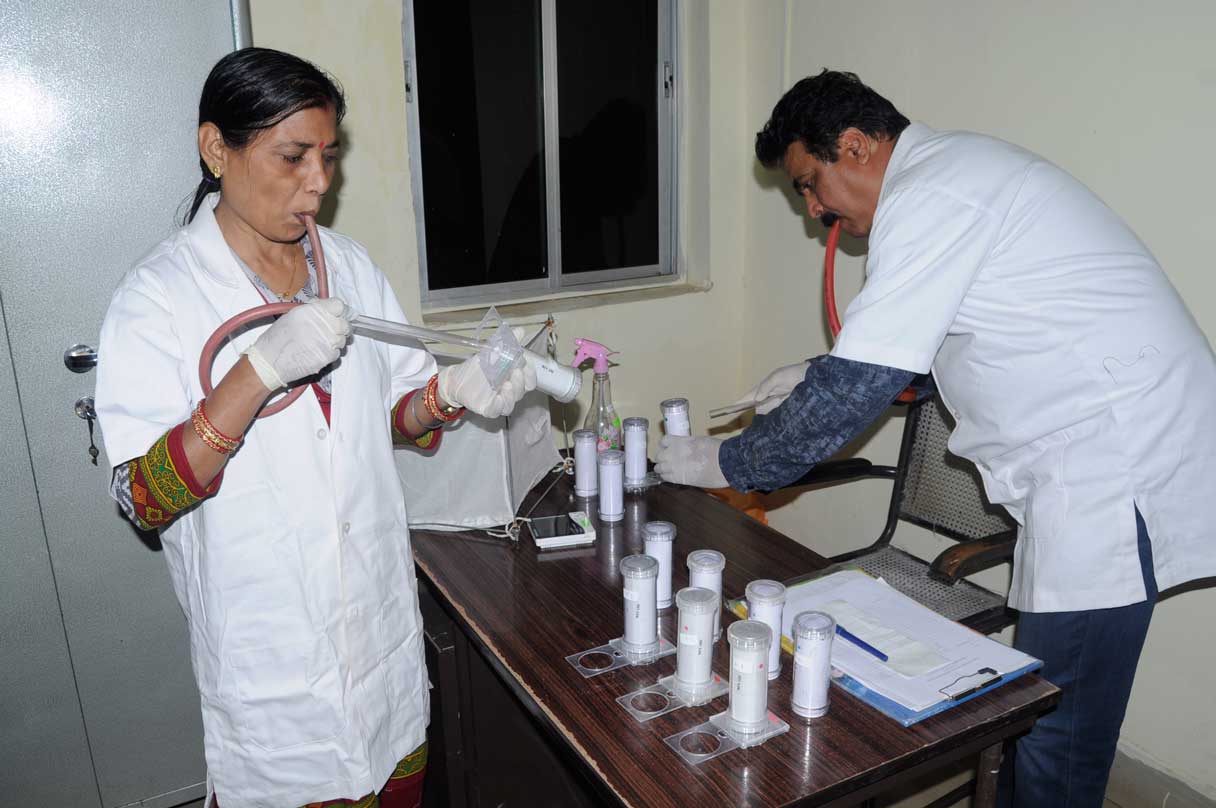
The station undertakes entomological surveillance, longitudinal epidemiological studies, and
operational research to understand vector abundance, disease transmission dynamics,
seasonal variations, and programme effectiveness. Research activities include Phase II and
Phase III evaluation of long-lasting insecticidal nets (LLINs), assessment of indoor residual
spray (IRS) interventions, monitoring of insecticide resistance using phenotypic and
molecular techniques, and investigations into the mechanisms underlying insecticide
resistance. These studies support the optimization of vector control interventions under
diverse ecological settings.
The field station also plays a vital role in outbreak investigations by providing scientific and
technical support to state and district health authorities during disease emergencies. Capacity-
building activities, including training in entomology, malaria microscopy, vector
surveillance, and disease control, are regularly conducted for healthcare professionals and
programme personnel. Through its integrated field and laboratory research, the station
generates scientific evidence that supports national vector control programmes and informed
public health decision-making.